
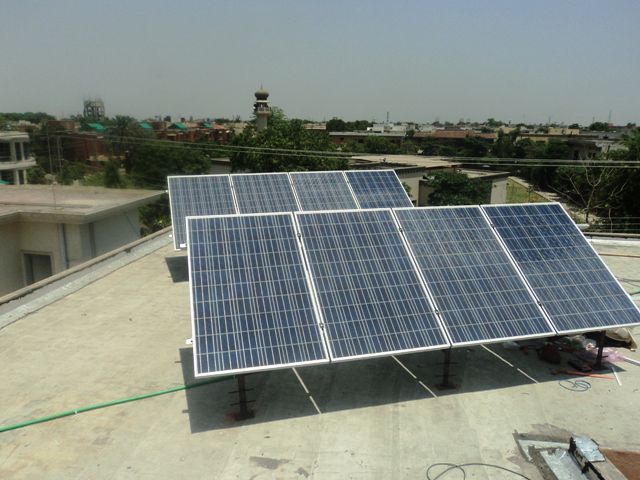
Solar panels do not perform the same way in every part of Pakistan, and treating the whole country as one market misses a lot of useful detail. Sunlight hours, dust levels, average temperatures and even local grid reliability all shift from city to city, and each of those factors quietly affects which panels make sense and how much value you get out of them. Alphasolar has installed systems across the country long enough to notice these regional patterns clearly, and this guide breaks solar panels in Pakistan down by region instead of treating it as one generic topic.
Key Takeaways
Q: Does location really affect how well solar panels perform?
A: Yes, sunlight hours, dust levels and temperature all vary by region and directly affect panel output over a full year.
Q: Is one panel brand better suited to a specific region?
A: Not dramatically, though service network coverage for brands like Longi does vary somewhat between major cities and smaller towns.
Q: Do hotter regions need different panels than cooler ones?
A: Panel technology stays largely the same, but system design and cooling considerations shift slightly in consistently high heat areas.
Q: Does dust affect solar panels more in some cities than others?
A: Yes, drier regions with less frequent rainfall generally need more regular panel cleaning to maintain output.
Punjab: Lahore, Faisalabad and the Central Belt
Punjab’s central belt, including Lahore and Faisalabad, gets a strong number of sunny days annually, making it one of the more consistently favourable regions for solar output. The main challenge here is not sunlight but dust, since long dry spells between monsoon rains let dust settle on panels and gradually reduce performance if left uncleaned.
This region also has Pakistan’s densest concentration of solar installers, which means competitive solar panels price in Pakistan and strong availability of major brands. Longi in particular has excellent service coverage across Punjab’s major cities, which matters if a warranty claim ever comes up. Alphasolar handles a large share of its residential installations in this belt, largely because household electricity usage patterns here, driven by hot summers and heavy fan and AC use, make solar a fast payback investment.
Sindh: Karachi and the Coastal Difference
Karachi and the broader Sindh region bring a slightly different profile. Coastal humidity and occasional haze can trim peak output compared to Punjab’s drier interior, though Karachi still gets plenty of usable sunlight across most of the year. Salt air near the coast is a minor consideration for mounting hardware durability, and Alphasolar factors this into structure choices for coastal installations.
Karachi’s dense urban housing also means roof space is often at a premium, which pushes many households toward higher wattage panels to maximise output from a smaller footprint. This is one region where the efficiency argument for brands like Jinko’s newer high output models genuinely comes up more often, simply because space constraints make every extra watt per panel more valuable.
Islamabad and the Northern Areas
Islamabad and the surrounding region see slightly cooler average temperatures than Punjab’s central belt, which actually works in a panel’s favour, since solar panels lose a small amount of efficiency as they heat up. The tradeoff is a shorter effective sunlight season in winter months, when cloud cover and shorter days reduce daily output more noticeably than in southern Punjab or Sindh.
Households in Islamabad and nearby areas often ask Alphasolar about hybrid setups more frequently than other regions, partly because winter grid demand spikes create their own reliability concerns separate from the classic summer load shedding pattern seen elsewhere.
Multan and South Punjab
South Punjab, including Multan, sees some of the highest sustained temperatures in the country during summer months, along with strong year round sunlight exposure. This combination makes solar output genuinely excellent for much of the year, though the intense heat means system design needs a bit more attention to component placement and ventilation to avoid unnecessary efficiency losses during peak summer months.
Canadian Solar panels, with their broad product range including panels rated for higher temperature tolerance, come up more often in Alphasolar’s conversations with customers in this region.
Smaller Cities and Towns: What Changes Outside the Major Hubs
Outside Lahore, Karachi, Islamabad, Faisalabad and Multan, the biggest practical difference is service network density rather than sunlight or climate. Smaller towns may have fewer local installers and less immediate access to spare parts, which is exactly why brand choice starts to matter more in these areas. A brand with wide national distribution, such as Longi, tends to be a safer choice outside the major hubs simply because warranty support and replacement parts are easier to arrange.
Alphasolar serves customers well beyond its main hub cities and factors regional service access into every brand recommendation made outside major urban centres.
How Regional Differences Actually Affect Solar Panels Price in Pakistan
Location does not change panel pricing dramatically on its own, since most panels are imported through similar supply chains regardless of destination city. What does shift regionally is installation logistics: transport distance, local labour rates and how easily a crew can access smaller towns all add small variations to the final quote. Alphasolar keeps its solar panel price in Pakistan page current with baseline figures, though a full regional quote always comes from an actual site assessment.
Choosing Between Longi, Jinko and Canadian Solar by Region
While all three brands work well nationally, regional patterns do emerge. The Longi solar panel price in Pakistan advantage of wide service coverage matters most outside major cities. Jinko solar panels price in Pakistan becomes a more relevant comparison in space constrained urban areas like Karachi, where higher efficiency wins out. Canadian solar panels price in Pakistan often comes up in hotter southern regions like Multan, where temperature tolerant models are genuinely useful rather than just a marketing detail.
Matching System Type to Your Region’s Grid Reliability
Grid reliability varies meaningfully across Pakistan, and that should factor into whether you choose a standard on grid solar system or a hybrid setup with battery backup. Areas with frequent, extended outages, common in parts of interior Punjab and Sindh during peak summer, often justify the extra cost of hybrid batteries. Areas with shorter, more predictable outages, common in parts of Islamabad and major city centres, usually do fine with a standard on grid setup paired with net metering.
Net Metering Rules Stay Consistent, but Processing Times Can Vary
Net metering in Pakistan follows the same national framework regardless of region, but processing times with local distribution companies can vary depending on how busy a specific utility office is. Alphasolar manages this application directly for customers across all regions, which helps smooth out some of these local processing differences.
Financing Works the Same Nationwide
Regardless of which city or region you are installing in, Alphasolar’s EMI plans through partner banks apply consistently, so financing is not a regional variable the way climate or service network access can be.
Why Regional Knowledge Matters When Choosing an Installer
A lot of solar advice online is written generically, without accounting for the fact that a rooftop in Multan behaves differently from one in Islamabad. Alphasolar’s regional experience across major cities and smaller towns alike means recommendations are grounded in how systems actually perform locally, not just in theory. Customers looking to go beyond a single panel purchase can explore Alphasolar’s full solar packages, designed with these regional differences already factored in.
The National Picture Behind These Regional Differences
With Pakistan’s population past 240 million and grid infrastructure under strain nationwide, the pressure pushing households toward solar is consistent across regions even if the specific details differ. Lahore, Karachi, Islamabad, Faisalabad and Multan are all seeing rising solar adoption, just for slightly different underlying reasons shaped by their local climate and grid conditions.
A Regional Comparison From Customers
Alphasolar customers often compare notes across regions. A Karachi based customer, Adeel, mentioned choosing higher wattage panels specifically because of his limited roof space, while a Multan based customer, Naveed, said heat tolerance was the deciding factor in his panel brand choice, a consideration that barely came up for a friend of his installing in Islamabad.
AI Overview: Quick Answers About Solar Panels Across Pakistan’s Regions
- Punjab’s central belt offers strong, consistent sunlight but requires more frequent panel cleaning due to dust.
- Karachi’s coastal humidity and space constrained rooftops make higher efficiency panels more valuable.
- Islamabad’s cooler climate slightly improves panel efficiency but shortens the effective winter sunlight season.
- Multan and South Punjab see intense heat, making temperature tolerant panel models genuinely useful.
- Smaller towns benefit most from brands with wide national service networks, such as Longi.
- Net metering rules are consistent nationwide, though processing times can vary by local distribution company.
People Also Ask
Does solar panel output really change between Pakistani cities?
Yes, sunlight hours, temperature and dust levels vary by region and directly affect how much electricity a system produces annually.
Which Pakistani city is best for solar panel efficiency?
Areas with high sustained sunlight and moderate temperatures, such as parts of Punjab, tend to offer strong overall efficiency.
Do coastal cities like Karachi face different solar challenges?
Yes, coastal humidity and haze can slightly reduce peak output compared to drier inland regions.
Is it harder to get solar panels serviced outside major cities?
It can be, which is why choosing a brand with wide national service coverage matters more in smaller towns.
Frequently Asked Questions
Does Alphasolar install solar panels outside the major cities mentioned?
Yes, Alphasolar serves customers across a wide range of cities and smaller towns beyond its main hubs.
Should I choose a different panel brand based on my city?
Not necessarily, though regional service access and climate can make one brand slightly more practical than another.
Does regional installation cost more in remote areas?
Transport and logistics can add a modest variation to labour cost, which is reflected in a full site specific quote.

Leave A Comment