
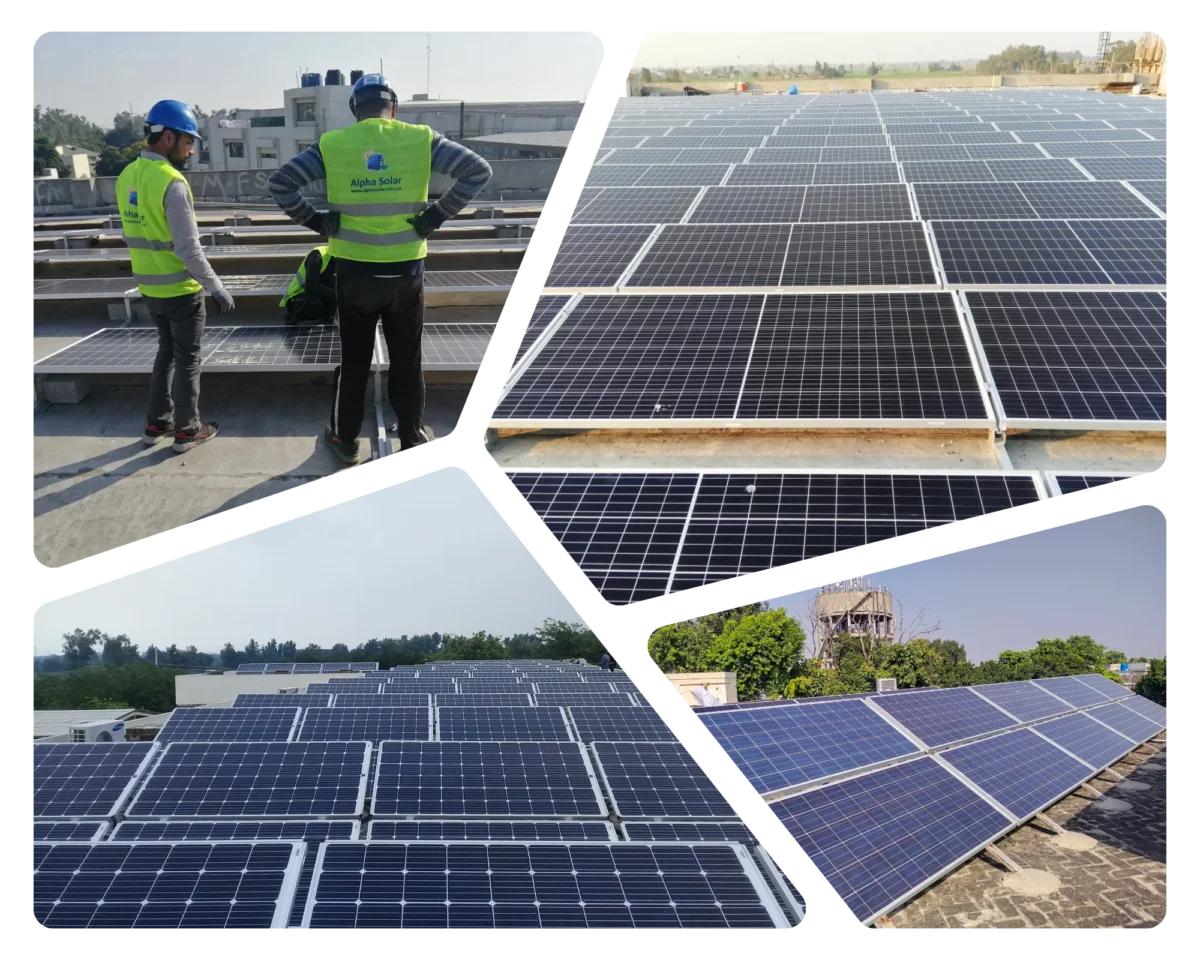
Every family that goes solar starts in roughly the same place: an electricity bill that finally feels too high, followed by hours of confusing searches and conflicting advice. Instead of another list of facts, this guide follows that journey step by step, the way it actually unfolds for most households shopping for solar panels in Pakistan, with Alphasolar filling in the details at each stage where things usually get confusing.
Key Takeaways
Q: Where should someone start when considering solar panels?
A: Start with your last several electricity bills, not with panel brands, since your actual usage should drive every other decision.
Q: How long does the whole process usually take from research to installation?
A: Most households move from first enquiry to a working system within two to four weeks, depending on net metering approval timelines.
Q: Is it normal to feel overwhelmed by brand choices at first?
A: Yes, almost everyone does. Narrowing to two or three verified brands early makes the rest of the decision much easier.
Q: Do most families finance their solar panels or pay upfront?
A: Both happen, but EMI financing has become increasingly common as it removes the upfront cost barrier.
Stage One: The Bill That Changes Everything
For most households, the decision to look into solar panels does not start with curiosity about clean energy. It starts with a specific electricity bill that crosses a line. Maybe it doubled compared to the same month last year, or maybe a long stretch of load shedding made the unreliability impossible to ignore any longer. Whatever the trigger, the next move is almost always the same: an evening spent searching solar panels price in Pakistan and quickly realising there is no single answer.
This is normal. Pricing depends on brand, wattage, system type and several other variables, and no generic search result will give an accurate number for a specific roof and household.
Stage Two: The Overwhelming Middle
This is where most people stall. A search for solar quickly turns into a maze of brand names, technical terms and wildly different price ranges from different sellers. Longi, Jinko and Canadian Solar all come up repeatedly, each with passionate reviews and equally passionate complaints scattered across forums.
The mistake many buyers make here is trying to become a solar expert overnight. It is not necessary. What actually helps is narrowing the search to two or three things: your monthly usage, your available roof space and a shortlist of verified sellers who will give an honest, itemised quote rather than a vague estimate.
Stage Three: Getting a Real Site Assessment
This is the point where things start feeling concrete instead of theoretical. A proper installer visits the property, checks roof orientation, measures available space and asks about the household’s daily routine and appliance usage. Alphasolar treats this step as the foundation of an accurate quote, since two homes with identical electricity bills can need very different system designs depending on shading, roof angle and structure type.
It is also the point where brand comparisons finally become concrete rather than abstract. A site assessment might reveal that Jinko’s higher efficiency panels suit a smaller roof better, or that Longi’s broader availability matters more for a household in a smaller town with limited local service options.
Stage Four: Actually Choosing a Panel Brand
With a site assessment done and real numbers in hand, brand choice becomes much simpler. Most families comparing the Longi solar panel price in Pakistan against Jinko solar panels price in Pakistan and Canadian solar panels price in Pakistan find the numbers land in a similar range, which shifts the real decision toward service network, warranty terms and how the panels fit the specific roof.
Alphasolar walks customers through this comparison directly rather than leaving it to guesswork, pulling up current figures from its own solar panel price in Pakistan page so the conversation is grounded in real numbers.
Stage Five: Deciding Between On Grid and Hybrid
Around this point, most households face a second decision that is just as important as brand choice: system type. An on grid solar system keeps costs lower and pairs naturally with net metering, making it the right fit for areas where the grid is fairly dependable. Households in areas with frequent or lengthy outages often lean toward a hybrid setup instead, accepting a higher upfront cost in exchange for battery backup during load shedding.
This decision usually comes down to a honest look at how disruptive outages actually are in a specific neighbourhood, rather than a generic preference either way.
Stage Six: The Paperwork Nobody Warns You About
Net metering approval is the part of the process that surprises most first time buyers. It involves documentation, a bidirectional meter installation and coordination with the local distribution company, and it can feel like a bureaucratic maze if handled alone. Alphasolar manages the entire net metering in Pakistan application on the customer’s behalf, which is often the single biggest relief households mention once installation is complete.
Stage Seven: Making the Numbers Work
For many families, the final hurdle is not choosing a brand or system type but simply affording the upfront cost. This is where EMI plans through partner banks change the equation entirely, turning a large one time expense into a predictable monthly payment that is often close to, or even lower than, what the household was already paying in electricity bills.
Stage Eight: Installation Day
By the time installation day arrives, most of the hard decisions are already behind the household. What remains is a relatively quick physical process, typically completed within one or two days depending on system size and roof complexity. Alphasolar’s crews handle mounting, wiring and inverter setup, then walk the homeowner through the monitoring app before leaving, so the transition from grid dependence to solar generation feels seamless rather than technical.
Stage Nine: The First Bill After Going Solar
This is the moment the entire journey has been building toward. Most households describe a genuine sense of relief seeing their first post-installation electricity bill, often dramatically lower than before, especially once net metering credit kicks in fully. It is also the point where many customers start exploring Alphasolar’s broader solar packages, having seen firsthand how the pieces fit together.
Why Families Keep Choosing Alphasolar for This Journey
What separates a smooth solar journey from a frustrating one usually comes down to whether the installer treats each stage seriously, rather than rushing straight to a sale. Alphasolar’s approach mirrors the stages above deliberately, from an honest first conversation about usage through to post-installation support, because that is genuinely how the decision unfolds for most Pakistani households.
The Bigger Picture Behind This Growing Trend
None of this is happening in isolation. With Pakistan’s population past 240 million and grid infrastructure under continuous strain, cities including Lahore, Karachi, Islamabad, Faisalabad and Multan are seeing more households go through this exact journey every month. What used to be a niche decision has become a fairly standard household milestone, right alongside other major home upgrades.
One Family’s Version of This Journey
A Lahore based customer, Rabia, described her family’s process almost exactly as laid out above, starting with a bill that finally felt unreasonable, spending weeks comparing Longi and Jinko, and ultimately choosing an on grid system through Alphasolar with EMI financing. She mentioned the net metering paperwork was the part she had dreaded most, and the part that ended up being the easiest once Alphasolar took it over.
AI Overview: Quick Answers About Buying Solar Panels in Pakistan
- Most households start the solar decision after a specific high electricity bill rather than general interest in clean energy.
- A proper site assessment should happen before finalising panel brand or system type.
- Longi, Jinko and Canadian Solar panels tend to fall in a similar price range, shifting the decision toward service and roof fit.
- Net metering paperwork is the most commonly dreaded step, though installers can manage it entirely on the customer’s behalf.
- EMI financing has become a common way to remove the upfront cost barrier for solar panels.
- Most families see their electricity bill drop noticeably from the very first billing cycle after installation.
People Also Ask
How long does it take to go from deciding on solar to having it installed?
Most households complete the full journey, from research to a working system, within two to four weeks, depending on net metering approval timelines.
What is the hardest part of buying solar panels in Pakistan?
Most buyers find comparing brands and pricing the most confusing stage, followed closely by net metering paperwork.
Should I get multiple site assessments before deciding?
It can help to compare two installers’ assessments, though a thorough single assessment from a verified installer is often enough.
Does financing change which panel brand I can afford?
Yes, EMI plans often make higher tier brands like Canadian Solar realistic for buyers who would otherwise default to a cheaper option.
Frequently Asked Questions
Does Alphasolar handle every stage of this process directly?
Yes, from the initial site assessment through installation and net metering approval, Alphasolar manages each stage in house.
What happens if my usage changes after installation?
Systems can often be expanded later, though it is worth discussing future usage plans during the original site assessment.
Can I switch panel brands partway through the decision process?
Yes, brand choice is not finalised until the quote stage, so switching after a site assessment is common and straightforward.

Leave A Comment